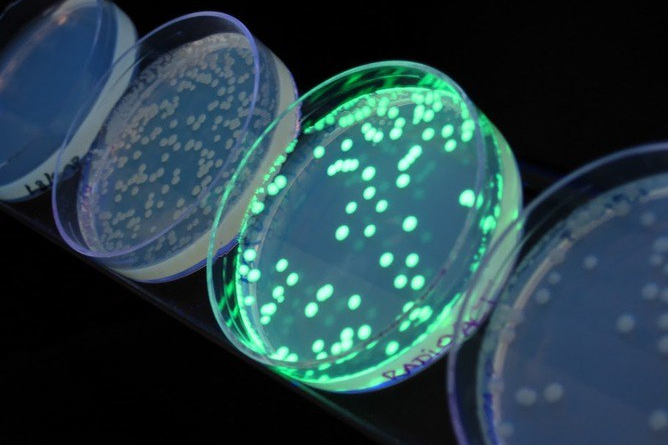
The fields of Bacteriology and Cancer Research don’t usually collide but based on the results of a recent clinical trial maybe they should. Four years ago researchers at Johns Hopkins observed that they could shrink the size of solid tumors in an animal model by injecting them with the bacteria Clostridium novyi. Fast-forward to present day and these bacterial injections are now in the early stages of clinical trials. The trial is relatively small with only 24 patients enrolled however, the results hold promise. Many of the patients who have been treated with the Clostridium spore injections show tumor shrinkage by the end of the trial.
The notion that bacteria could influence cancer outcomes has been a long-standing observation dating back to 1813 when French physician Vautier first noted that cancer patients infected with Clostridium perfringens, a species of bacteria closely related to the bacteria used in recent clinical trials, showed increased tumor regression. This idea was investigated further using different bacterial models for much of the late 1800’s and early 1900’s. Given its strong history, it was only a matter of time before a bacterial treatment option was put to the test.
However, there are limits and side effects. Patients reported symptoms ranging from relatively mild (swelling, pain at the injection site) to more serious with three patients developing sepsis, a widespread bacterial infection that can be fatal if not quickly treated. Additionally, these injections have only been tried on local, solid tumors limiting their treatment potential however, the injections have also been shown to sometimes limit tumor size throughout the body though the mechanism behind this phenomenon is not well known.
The exact mechanism of the vaccine is also unknown. Researchers propose two lines of thinking: either the bacteria is producing enzymes and other factors to break down the tumor or the bacteria are sending the immune system into overdrive and aiding in tumor clearance that way. Both proposed mechanisms could also be working simultaneously though more research will be needed to confirm this theory.
Our increased understanding of bacterial functions clearly has widespread benefits even outside the field of microbiology. Cancer research, engineering and gene editing are just a few examples of fields that have benefitted from bacterial research but the possibilities are endless and new discoveries are made all the time. As for this clinical trial, the bacterial injections are moving forward into a new clinical trial this time as a co-treatment option with immune checkpoint inhibitors. Hopefully these injections will one day be approved, effective treatment options for cancer patients.
Ashley
(Picture from Carlos de Paz, CC BY-NC-SA)

 Science Blogs from Zani Brainy